
Key Takeaways
- Puzzles and trivia offer gentle mental activity, social connection, and shared laughter.
- Long-term memories often stay reachable, so questions about the past can spark joy.
- Start simple, then adjust the difficulty based on how your loved one responds.
- Keep sessions to 10 to 15 minutes and end while smiles are still there.
- Memory care communities offer group trivia, hobby clubs, and daily engagement.
Why Simple Games Bring Comfort and Connection
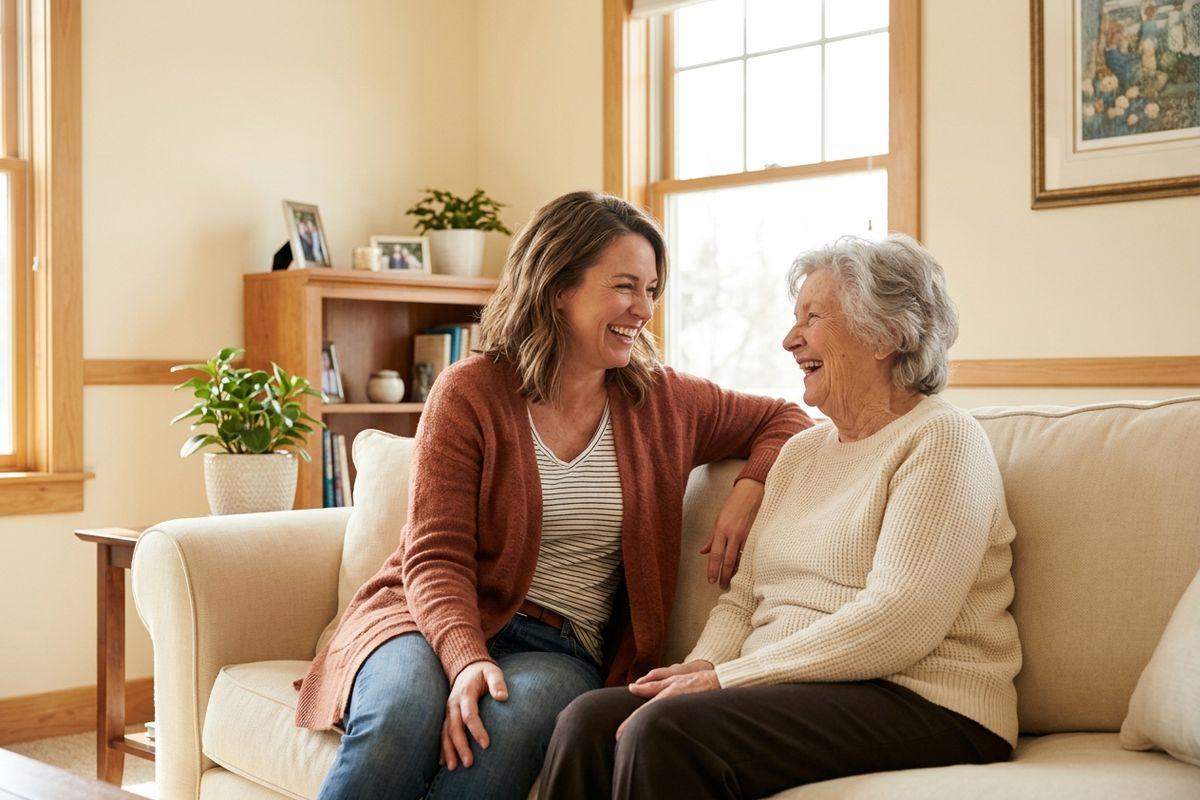
You sit down with your mom, and the conversation stalls. You’ve asked about her day, the weather, and lunch. You can feel the silence getting heavy. Our team at Bentley Assisted Living at Branchville understands that the stillness can feel worrying. That’s why providing the right memory care matters.
A short trivia question or a large-piece puzzle can turn a quiet moment into a shared one. It gives you and your loved one something to laugh about together.
Why Puzzles and Trivia Matter for Memory Care
These activities offer gentle mental stimulation without pressure. There’s no test, no score, and no wrong way to enjoy an activity. What matters is the time you spend side by side. Simple, enjoyable hobbies can also be part of daily routines that support brain health.
Long-term memories often stay intact, even when recent ones are fuzzy. Ask about a favorite singer from 1962 or a childhood pet’s name. You may see their face light up with warmth and joy.
Small wins also lift the mood. Getting an answer right or fitting a puzzle piece into place can support self-esteem. It also leaves a sense of accomplishment that lingers. For many seniors, staying mentally engaged is a great way to maintain cognitive wellness.
How to Pick the Right Difficulty Level
Start simple. You can always add a harder question later. Starting too tough can make the whole activity feel discouraging or even frustrating. Multiple choice or true-and-false formats lower the pressure.
Also consider following your loved one’s personal interests. If they spent 30 years working as a carpenter, you may want to ask about tools. If they loved big band music, play a few notes and see what they remember.
It also helps to know more about the stages of Alzheimer’s. Knowing where your loved one is can help you set up an activity that’s right for their state of mind.
Signs That a Question Is Too Hard
In cases where your loved one is unable to verbally express themselves, you should watch their face and body. Going quiet, frowning, or looking away usually means the question landed wrong.
When that happens, pause. Offer a hint, share the answer yourself with a smile, and move on to something easier. There’s no need to linger and press for an answer. Learning a few tips on how to talk to someone with dementia beforehand can make these moments feel easier.
Session Length That Works
10 to 15 minutes tends to be a comfortable length. That translates to roughly five questions. Keeping the trivia short and sweet maintains their energy level.
It’s important to also know when to stop an activity. End while the smiles are still there. Stopping on a high note makes your loved one more likely to say yes next time.
Easy Trivia Questions and Answers to Try Today
Music, Movies, and Famous Faces
- Who was known as the “King of Rock and Roll”? Answer: Elvis Presley
- What color were Dorothy’s slippers in The Wizard of Oz (1939)? Answer: Red
- Who was the first person to walk on the moon? Answer: Neil Armstrong
Nature and Places
- What’s the fastest land animal? Answer: The cheetah
- What do you call a baby cow? Answer: A calf
- What’s the capital of the United States? Answer: Washington, D.C.
Everyday Life and Old Sayings
- What kept food cool before refrigerators? Answer: An icebox
- What does “cutting a rug” mean? Answer: Dancing
- What frozen meals became popular in the 1950s? Answer: TV dinners
Puzzles and Games Beyond Trivia
Trivia isn’t the only option. There are plenty of activities that you can choose from when your loved one wants a change of pace.
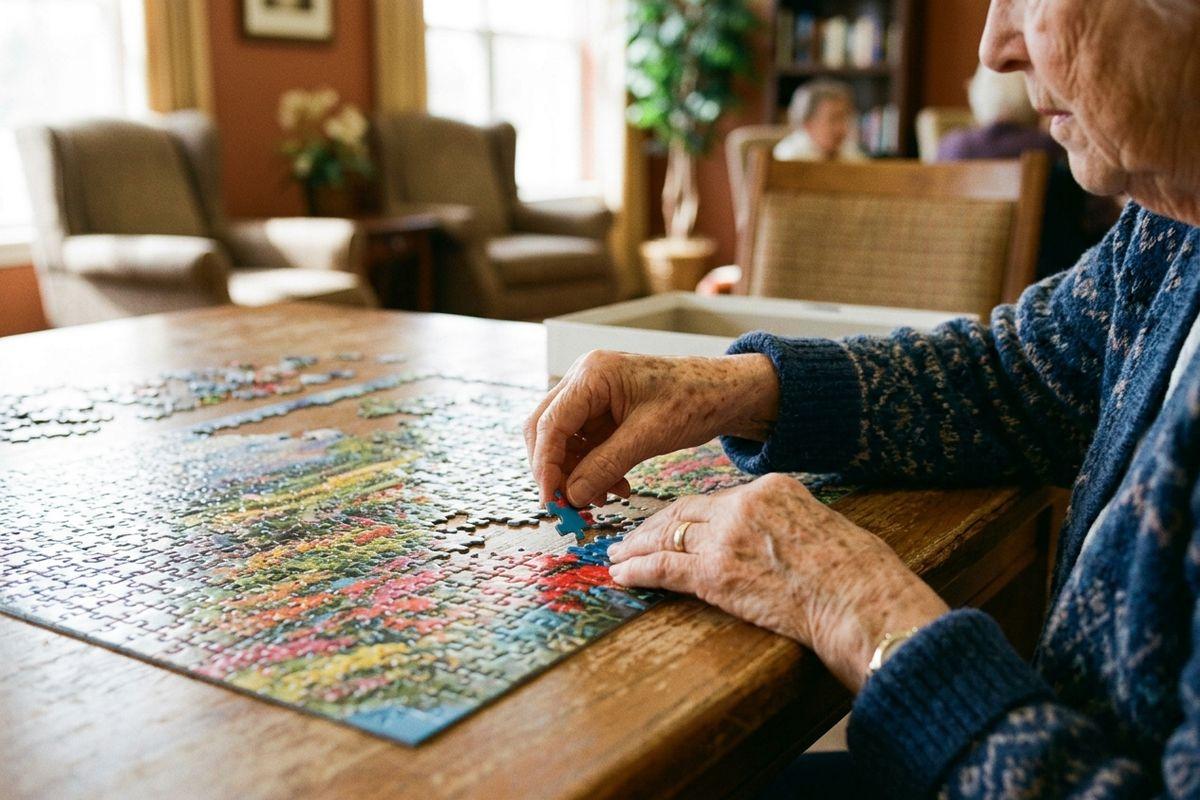
- Large-piece jigsaw puzzles with bright, clear images
- Word searches and simple crosswords
- Matching card games and printable quizzes
- Picture prompts that invite storytelling
- Board games with short, clear rules
The 20 Questions Game, Simplified
The 20 questions game is a classic. And it can be a great game for seniors living with dementia once it’s simplified.
One person thinks of an object, and the other asks yes or no questions to guess it. It’s easy to follow and needs no supplies at all.
Make sure to keep the topics familiar. Pets, foods, and household items work nicely because the answers feel close to home.
Ideas That Use the Senses
Dementia can change how people perceive the world around them. Even so, engaging the senses during activities can still yield some benefits.
Play songs from a favorite decade, flip through a photo album, or hand over a familiar object like a baseball glove. You may also consider including arts and crafts, coloring pages, and gentle chair movement to round out the day. Creative arts activities give hands something to do while conversation flows naturally.
Support and Activities in a Memory Care Community
In a memory care community, group trivia, hobby clubs, and daily events introduce structure and friendship into each and every week. Residents get to enjoy these moments with others who share their interests and create something special.
Compassionate staff members are also always nearby. That means help is there whenever it’s needed. In addition, there are different lifestyles available. Being able to choose from assisted living, memory care, and respite care means your family can find the right level of support with ease.
Next Steps Toward Meaningful Days Together
Try one activity this week. Bring three trivia questions to your next visit, or pick up a large-piece puzzle. Focus on making connections rather than correct answers. What’s important is to enjoy the moment.
Are you exploring senior living options for someone you love? Our team at Bentley Assisted Living at Branchville would gladly welcome them. Reach out today to schedule a tour and see what daily life here looks like.