

Key Takeaways
- Aggression in dementia is usually a form of communication, not a personal attack.
- Pain, hunger, tiredness, noise, and feeling rushed are common triggers.
- A calm voice, a focus on feelings, and gentle redirection help in the moment.
- Strong emotions often ease within about 90 seconds, so a short pause helps.
- Steady routines and simple choices can prevent many difficult moments.
- Respite care and memory care offer support for you and your loved one.
Why Difficult Moments Happen and How to Handle Them
You’ve helped your mom with her sweater a hundred times. Today, she pulls away and raises her voice. You’re left standing there wondering what changed. Our team at Bentley Assisted Living at Branchville understands that moments like this can shake you.
Aggression in dementia is almost always a message about a need that needs to be met. And once you learn to read that message, you can respond calmly and adjust the day around your loved one. With the right communication strategies, these moments often become less frequent and easier to move through.
What Aggression in Dementia Looks Like
Aggression that comes with dementia doesn’t always look the same. Sometimes it’s verbal, like shouting, sharp words, or accusations. Other times it’s physical, such as pushing a hand away, grabbing a wrist, or throwing a cup across the kitchen table.
What’s important is to see the behavior as communication rather than intent. Your loved one isn’t trying to hurt you. They’re trying to tell you something they don’t know how to express with words. When the message doesn’t get through, the volume goes up.
Many may find situations like these confusing. That’s why it’s crucial for you to learn more about what dementia is. Knowing what causes the condition can help you read those messages with more patience.
Common Triggers Behind Aggressive Moments
Physical Discomfort and Unmet Needs
A sore back, an empty stomach, or a dry throat can tense up a calm afternoon. Tiredness plays a big role too, especially late in the day when everyone’s energy runs thin. With this idea in mind, staying hydrated and eating on a regular schedule may help smooth out the edges.
Small things can impact how comfortable your loved one feels. A room that’s too warm, shoes that pinch, or a scratchy tag at the collar can build frustration silently.
Surroundings and Routine Changes
Dementia changes the way a person perceives the world around them. A television blaring in one room while a vacuum runs in another can feel overwhelming. Similarly, clutter on the counter or harsh overhead lights can add to that stress.
Change stirs things up too. Think a new caregiver or a different chair by the window. An unfamiliar setting can leave your loved one feeling anxious before the day even starts. This kind of restlessness can also lead to wandering behavior.
Communication Struggles
Too many questions at once can create pressure. “Do you want tea or coffee, should we go out after, and where are your glasses?” stacks three questions on top of one another.
Feeling rushed can contribute to the general feeling of unease as well. Bathing and dressing are personal moments. Hurrying through them can feel like a loss of dignity. It helps to know what not to do and what not to say to someone with memory loss.
How to Respond in the Moment
Lower your voice, slow your words, and keep your shoulders relaxed. Your loved one reads your body language before they process your sentence. Avoiding baby talk and nicknames keeps the exchange respectful.
Focus on the feeling instead of the facts. If your loved one insists he needs to leave for work, respond to the worry underneath, not the factual details. Don’t be afraid to offer a gentle redirection with something familiar, like those listed below.
- A favorite song from their younger years
- A small snack at the kitchen table
- A short walk outside or down the hallway
- A soft blanket and a few quiet minutes together
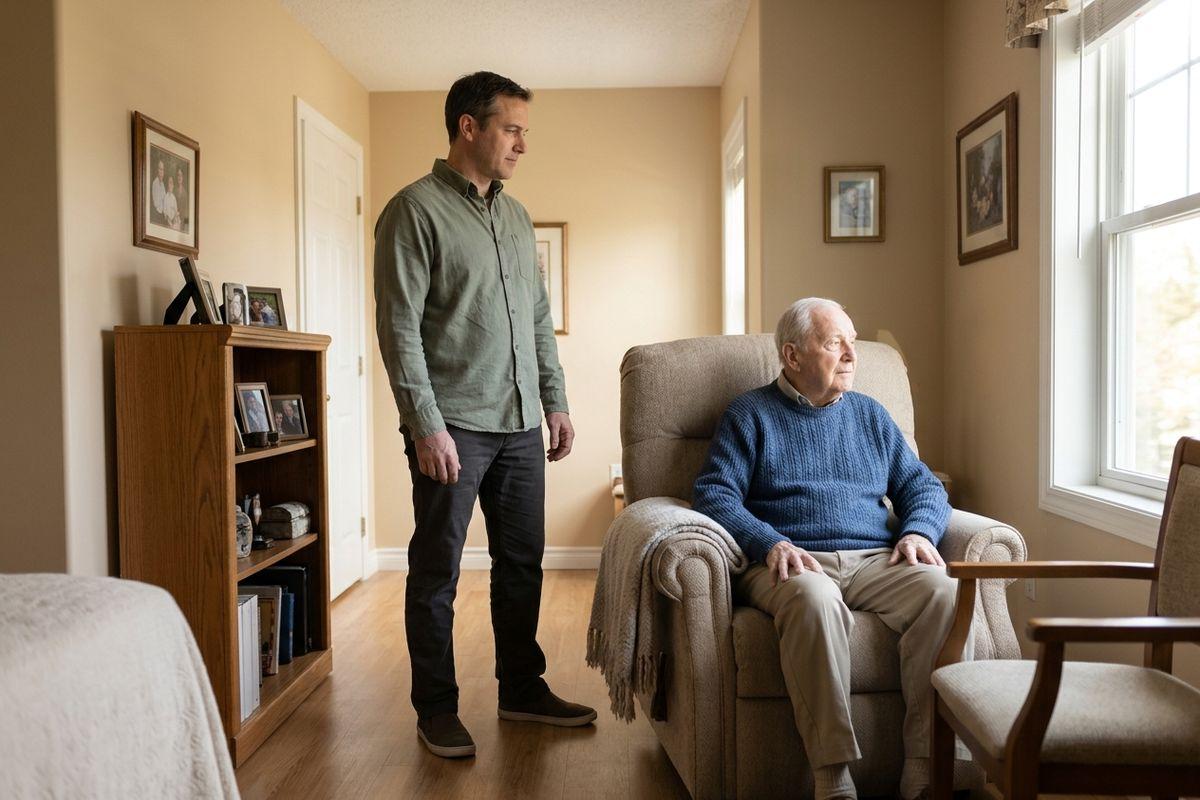
The 90-Second Pause
Strong emotions tend to ease quickly if nothing adds fuel to them. When possible, step back, stay within sight, and let the wave pass by itself.
Once the room settles, come back with a warm greeting and a simple offer. Offer them a glass of water or a warm blanket. Reconnecting often works more smoothly than pushing through.
Daily Habits That Prevent Flare-Ups
Predictable days provide a sense of security. Keep meals, bathing, and rest at roughly the same times. That way, your loved one’s body is attuned to a steady routine. That rhythm takes pressure off both of you.
Making simple choices can restore a sense of control for your loved one. Hold up two shirts instead of opening the whole closet. Invite them to pick one of the two. They’re more likely to feel settled when they know they still have a say in their daily living.
Time outdoors and light activity during the day can help with evening restlessness. When nighttime comes, dim the lamps, lower the noise, and keep everything quiet and unhurried.
Mistakes Caregivers Can Gently Let Go Of
Arguing rarely ends well, and quizzing someone about names can feel like a test they know they’re failing. Let those go and acknowledge the underlying emotions instead.
When you’re walking toward them, approach from the front. Walking up from behind and touching a shoulder without warning can startle anyone.
Support for You and Your Loved One at Bentley Assisted Living at Branchville
You don’t have to carry these moments alone. Respite care can give you some time to rest, while your loved one enjoys friendly company and warm meals during their short stay.
Bentley Assisted Living at Branchville also offers memory care. It pairs steady routines with compassionate staff who are available 24/7. Support is there the moment it’s needed. Reach out to us today to learn more about assisted living and our other senior living options. We’d love to show you how warm and welcoming this community is.